Bristlebot
30 minEasy
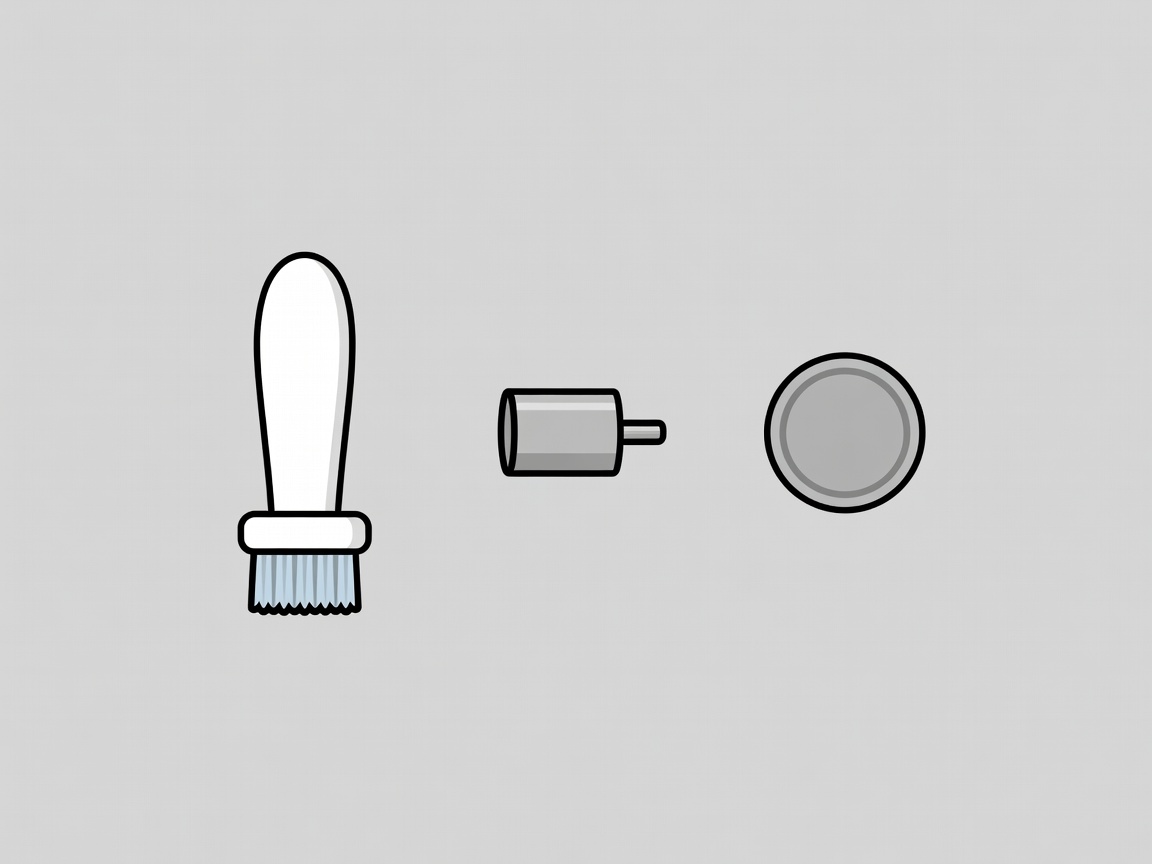
On the table: a toothbrush head, a 3 V coin vibration motor, a CR2032 battery, double-sided foam tape.
No soldering. Stick, connect, watch it go.
A vibrating toothbrush head that scuttles across the table. A turbine that lights an LED from your breath. Small machines are cheap, quick to rebuild and very honest teachers.
Pick a Weekend Build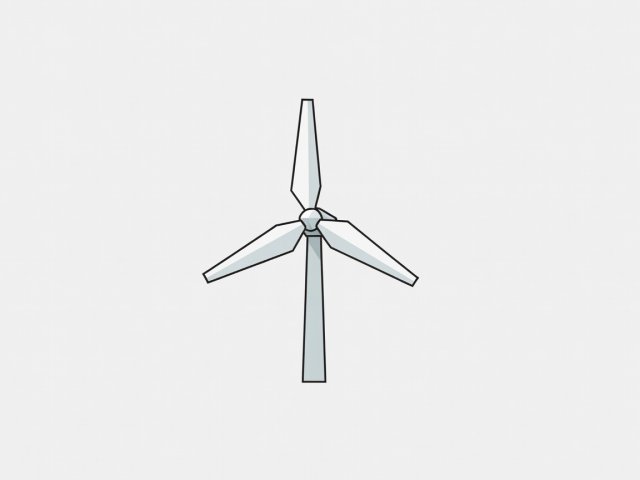
Miniature inventions remove the two things that stop most people building: cost and fear. When a motor costs less than a coffee and the chassis is a bottle cap, breaking something is just part of the afternoon. You learn how circuits, balance and friction behave because you can see every part at once.
Most builds here run on a single AA battery or a 3 V CR2032 coin cell. If you outgrow simple circuits, boards like the BBC micro:bit, the Raspberry Pi Pico and the Arduino Nano let you add sensors and code without changing the scale. Suppliers such as Adafruit and SparkFun publish free wiring guides that pair nicely with our projects.
On the table: a toothbrush head, a 3 V coin vibration motor, a CR2032 battery, double-sided foam tape.
No soldering. Stick, connect, watch it go.
On the table: a 5 mm LED, a CR2032, a felt circle, a safety pin.
The long LED leg goes on the battery's + side.
On the table: a small DC hobby motor, bottle cap hub, card blades, a red LED, a wooden skewer base.
Blow hard or use a desk fan to see the LED flicker.
On the table: two paperclips, a buzzer, an AA holder, a wood scrap, drawing pins.
Tap out messages using the International Morse Code chart.
On the table: corrugated card, eight 10 ml syringes, aquarium tubing, cable ties, split pins, coloured water.
Hydraulics move three joints and a gripper.
On the table: a Raspberry Pi Pico, a light-dependent resistor, an LED, a breadboard, a USB cable.
Write ten lines of MicroPython; the LED wakes at dusk.
“The robot arm leaked? Good. Now you know where the pressure goes.”
Hydraulic builds teach Pascal's principle better than any textbook diagram: push one syringe and the force travels through the water to the other. Bubbles are the enemy, so fill tubes underwater and clamp them before lifting out.
Fix a leaky armEvery serious inventor's notebook is full of small, scrappy prototypes. The Wright brothers tested wing shapes in a homemade wind tunnel in Dayton, Ohio, using models a few centimetres across. That is the spirit here: build small to learn fast, then scale only what works.
Once a gadget runs, change one thing at a time. Swap the blade count on the turbine from three to four, or lengthen the bristles on the bot, and write the result next to the change. Within an afternoon you will have a tiny research log and a much better machine.
Need parts? Our materials page lists the starter electronics worth owning, and the experiments page shows how to keep fair, simple notes.
Your privacy choices We use necessary cookies to run the site and, with your consent, optional ones to measure visits. You can change this at any time.